blog
Businesses evolving with modern marketing trends

AI in Digital Marketing: How Smart Technology is Shaping the Future of Customer Engagement
Artificial Intelligence is no longer a futuristic concept—it’s actively transforming the way brands connect with their audiences. As shown in the image, AI-powered systems are now capable of analyzing vast amounts of data, predicting customer behavior, and automating marketing tasks with precision.
From personalized email campaigns to intelligent chatbots and predictive analytics, AI enables businesses to deliver highly targeted and meaningful experiences. Marketers can now understand what customers want even before they express it, leading to improved engagement, higher conversion rates, and stronger brand loyalty.
Moreover, AI tools are streamlining workflows by handling repetitive tasks like data analysis, content suggestions, and performance tracking. This allows marketers to focus more on creativity and strategy rather than manual processes.
However, with great power comes responsibility. Ethical use of data, transparency, and maintaining a human touch remain essential in an AI-driven marketing landscape.
In the coming years, AI will continue to evolve, making digital marketing smarter, faster, and more customer-centric. Businesses that embrace this technology today will be better positioned to stay ahead in an increasingly competitive digital world.
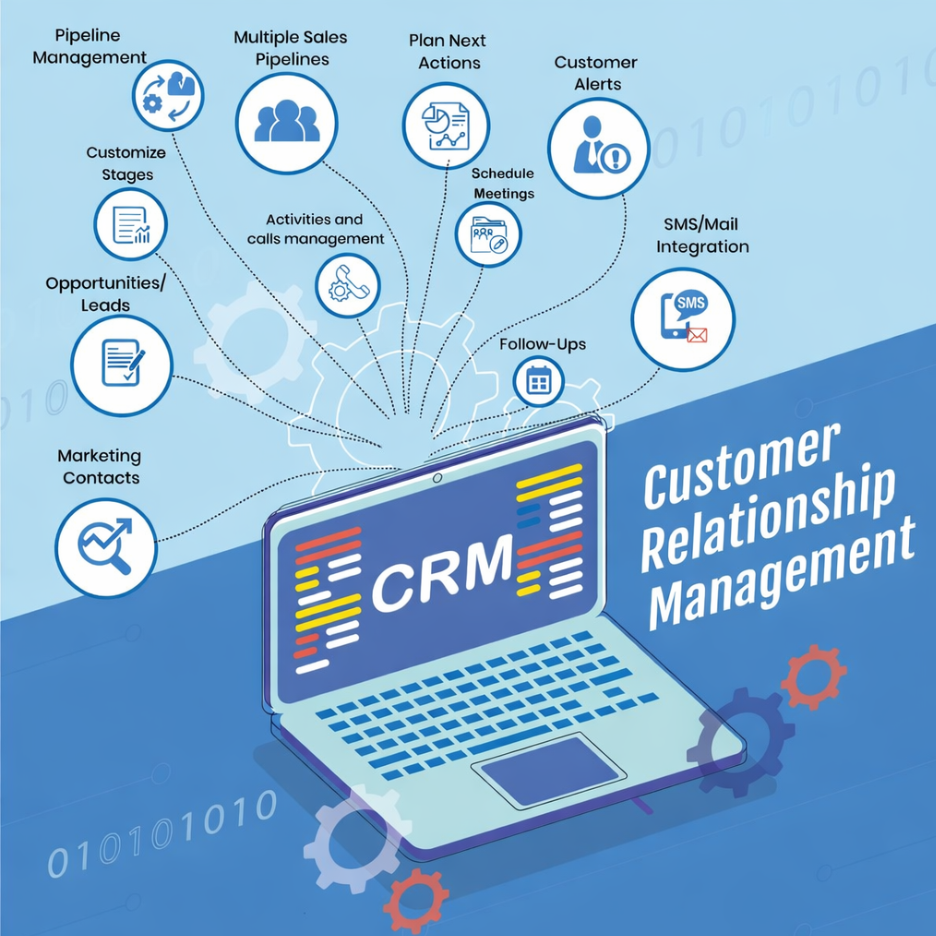
CRM Solutions: The Key to Building Seamless Customer Relationships and Business Growth
In today’s competitive digital landscape, businesses need more than just great products—they need strong, lasting relationships with their customers. This is where Customer Relationship Management (CRM) systems play a vital role.
As illustrated in the image, CRM platforms bring together customer data, communication, sales tracking, and analytics into one unified system. This allows businesses to streamline their processes, improve collaboration among teams, and deliver personalized customer experiences.
A powerful CRM solution helps manage leads, track sales pipelines, automate follow-ups, and analyze customer behavior. With these capabilities, companies can make smarter decisions, increase efficiency, and boost conversion rates. It also ensures that no opportunity is missed, as every interaction is recorded and optimized.
Moreover, CRM tools enhance customer satisfaction by enabling timely responses and tailored communication. Whether it’s through email marketing, customer support, or sales engagement, businesses can stay connected with their audience at every stage of the journey.
As digital transformation continues to evolve, adopting a reliable CRM system is no longer optional—it’s essential. Businesses that leverage CRM effectively can create seamless workflows, improve productivity, and ultimately drive sustainable growth in an ever-changing market.
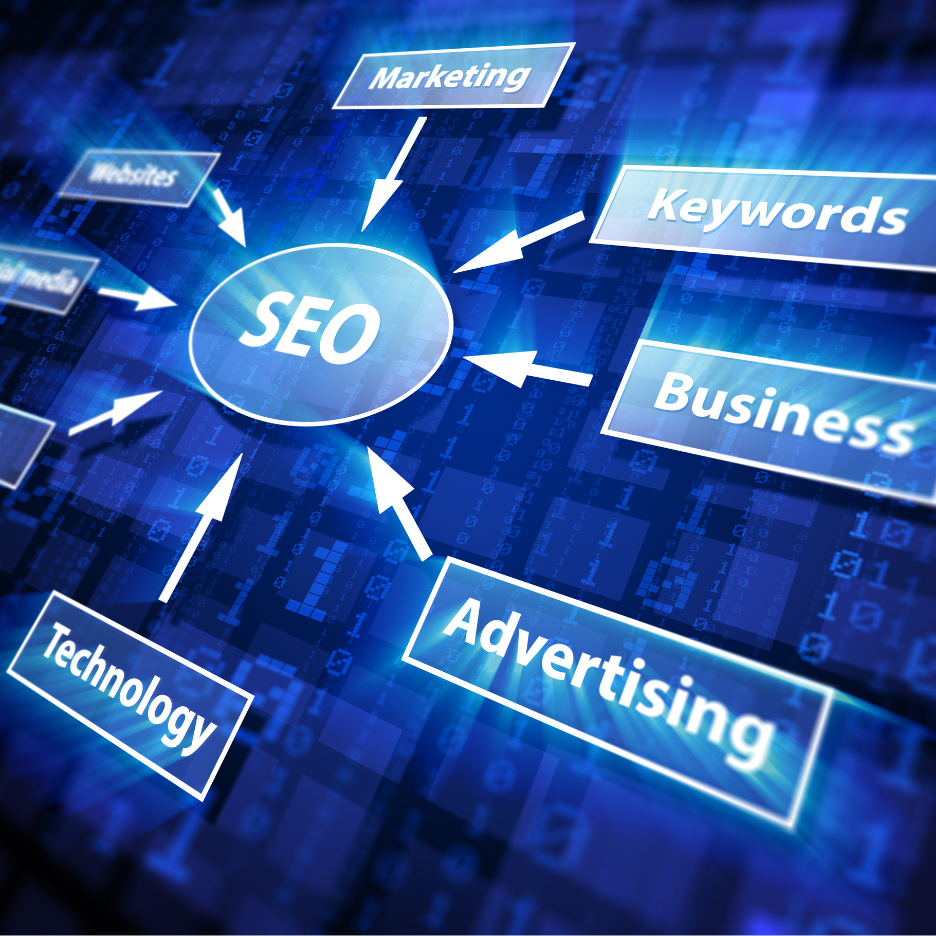
The Future of Blogging: Is SEO Still Relevant?
Blogging has evolved significantly over the past decade, and with the rise of AI tools, voice search, and social media platforms, many marketers are questioning whether SEO is still relevant. The truth is—SEO isn’t dead; it’s transforming.
Today, search engines are smarter than ever. They prioritize user intent, high-quality content, and real value over keyword stuffing. This means bloggers must focus on creating helpful, engaging, and authentic content that answers users’ questions effectively. SEO is no longer just about ranking—it’s about delivering the best experience.
Additionally, new search behaviors are emerging. Users now rely on AI-powered tools, video platforms, and social media to discover content. As a result, blogging strategies must adapt by incorporating multimedia content, optimizing for voice search, and building authority across multiple channels.
Despite these changes, SEO remains a powerful tool for driving organic traffic and long-term growth. A well-optimized blog can still attract consistent visitors without relying heavily on paid ads.
The future of blogging lies in combining traditional SEO practices with modern strategies like AI content optimization, user-focused writing, and cross-platform promotion. Bloggers who embrace this shift will not only stay relevant but also thrive in an increasingly competitive digital landscape.
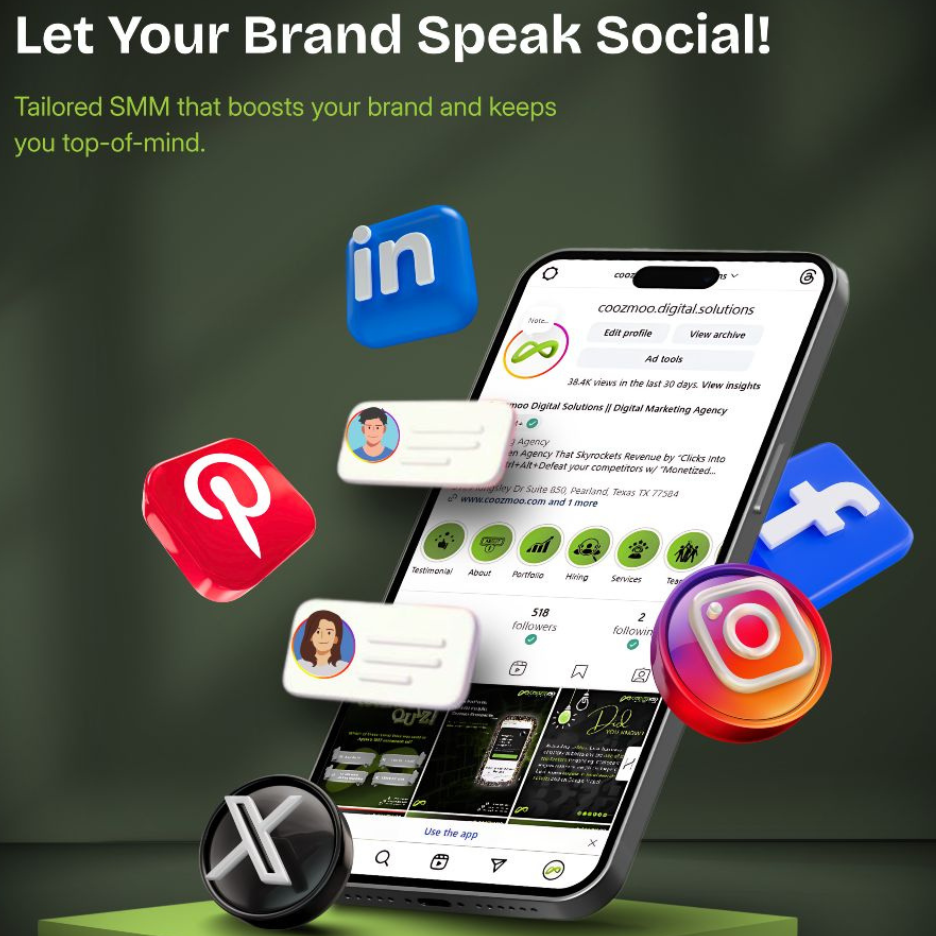
Top Social Media Trends Every Marketer Should Follow
Social media is constantly evolving, and staying updated with the latest trends is essential for marketers who want to remain competitive. In 2026, the focus has shifted toward more authentic, engaging, and interactive content that builds real connections with audiences.
One of the biggest trends is the dominance of short-form video content. Platforms like reels and shorts are driving higher engagement, making video a must-have in every marketing strategy. Additionally, AI-powered tools are helping marketers create personalized content, automate responses, and analyze audience behavior more effectively.
Another key trend is the rise of community-driven marketing. Brands are moving beyond just posting content and are now building communities through groups, live sessions, and direct interactions. This helps in creating trust and long-term relationships with customers.
Influencer marketing is also evolving, with micro and nano influencers gaining popularity due to their higher engagement and niche audiences. At the same time, social commerce is growing rapidly, allowing users to shop directly through social media platforms.
To succeed, marketers must adapt to these trends, experiment with new formats, and focus on delivering value rather than just promotion. Those who stay flexible and innovative will be able to capture attention and drive meaningful results in the ever-changing social media landscape.
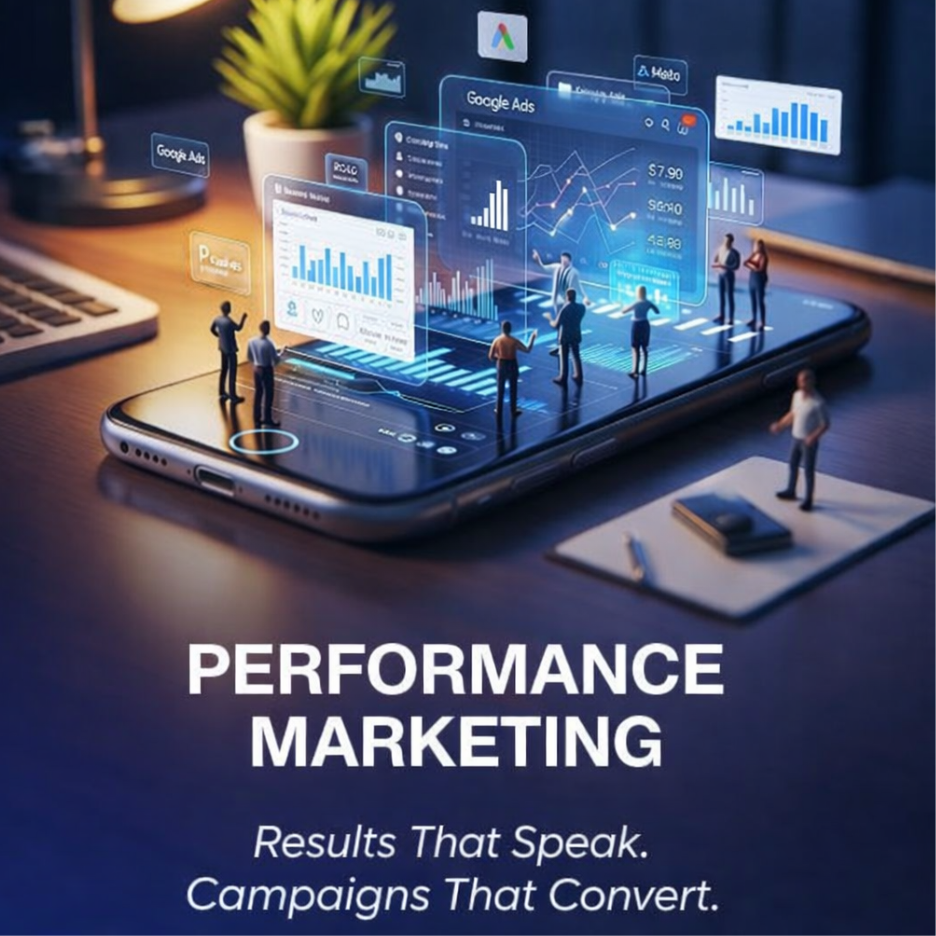
Performance Marketing vs Brand Marketing: What Wins in 2026?
In 2026, the debate between performance marketing and brand marketing is more relevant than ever. While performance marketing focuses on measurable results like clicks, conversions, and ROI, brand marketing aims to build long-term awareness, trust, and emotional connection with audiences.
Performance marketing has gained popularity due to its data-driven approach and immediate results. With advanced analytics, AI targeting, and automation tools, marketers can track every action and optimize campaigns in real time. This makes it highly effective for short-term goals such as lead generation and sales.
On the other hand, brand marketing plays a crucial role in shaping how customers perceive a business. Strong branding builds credibility, loyalty, and recognition—factors that significantly influence purchasing decisions over time. In a crowded digital space, brands that stand out emotionally often outperform purely transactional campaigns.
The real winner in 2026 isn’t one over the other—it’s the combination of both. Businesses that integrate performance strategies with strong brand storytelling create a powerful marketing ecosystem. While performance marketing drives quick results, brand marketing ensures sustainable growth.
To succeed, marketers must strike the right balance—using performance data to optimize campaigns while consistently investing in brand value. This hybrid approach allows businesses to achieve both immediate impact and long-term success in an increasingly competitive digital landscape.
Content Marketing Secrets to Drive Organic Traffic
Content marketing remains one of the most powerful ways to drive organic traffic, but success in 2026 requires more than just publishing regular blog posts. It’s about creating valuable, relevant, and engaging content that truly connects with your audience.
The first secret lies in understanding user intent. Instead of focusing only on keywords, successful marketers create content that answers real questions and solves problems. High-quality, informative, and well-structured content not only attracts visitors but also keeps them engaged.
Another key factor is consistency and content strategy. Publishing regularly, maintaining a clear niche, and using a mix of formats—blogs, videos, infographics, and social posts—helps reach a wider audience. Optimizing content for SEO, including proper headings, internal linking, and mobile-friendly design, also plays a crucial role in improving visibility.
Additionally, promotion is just as important as creation. Sharing content across social media, email newsletters, and online communities increases reach and drives more traffic. Repurposing content into different formats can also maximize its impact.
Finally, analyzing performance helps refine your strategy. By tracking metrics like traffic, engagement, and conversion rates, you can understand what works and continuously improve.
In a competitive digital space, content marketing success comes from delivering value, staying consistent, and adapting to changing trends—ultimately turning your content into a long-term traffic-generating asset.
Turning Traffic into Customers: Proven Marketing Techniques
Driving traffic to your website is only half the battle—the real success lies in converting those visitors into paying customers. In today’s competitive digital landscape, businesses must go beyond clicks and focus on delivering meaningful user experiences that lead to action.
One of the most effective techniques is optimizing your website for conversions. This includes clear call-to-action (CTA) buttons, fast-loading pages, mobile responsiveness, and a user-friendly design. When visitors can easily navigate your site and understand what to do next, they are more likely to convert.
Personalization also plays a key role. By using data insights, businesses can tailor content, product recommendations, and offers to match user preferences, making the experience more relevant and engaging.
Building trust is another critical factor. Customer reviews, testimonials, secure payment options, and transparent policies help establish credibility and reduce hesitation. Additionally, retargeting strategies—such as email follow-ups and targeted ads—can bring back visitors who didn’t convert initially.
Content marketing and value-driven messaging further support conversions by educating and nurturing potential customers. Instead of pushing sales, successful brands focus on solving problems and building relationships.
Ultimately, turning traffic into customers requires a strategic approach that combines user experience, trust-building, and data-driven decisions. Businesses that focus on these proven techniques can not only increase conversions but also create loyal customers who contribute to long-term growth.
The Effective Guide to Efficient Brand Marketing for Businesses
While promoting your products and services, do you also want to optimize the market presence of your brand? Then brand marketing will help you do so like an expert.
Creating a brand is a very difficult task but even more difficult is brand marketing. You must understand the importance of brand marketing as it builds the foundation for the awareness and position of the brand in the market. You need to ensure that your brand can sustain itself in the highly competitive market. And thus, you need to have the best marketing strategies and tactics in your hand.
Also, with the advent, of technology and the internet, digital marketing has become one of the best ways to advertise your brand. You can get the maximum audience through various online marketing techniques.
This article is about all such various tactics that you must know for brand marketing.
By incorporating brand marketing strategies in your campaign, you will be able to connect your values, uniqueness, and personality with your audiences when you are communicating, convincing, and converting them.
A Brand is more than a Name or a Tag. A brand is how an organization, association, or individual is seen by anyone who experiences it.
Since it’s elusive, a brand isn’t as adequately characterized as anything. Be that as it may, how they’re described is fundamentally the same. A similar significant measure applies to brands.
The characteristic of a brand begins with the place of its living. So where do brands live? Brands live in the psyche. They live in the brains of everybody who encounters them: workers, financial specialists, the media, and, maybe purchasers.

How Businesses Can Prepare for the Next Marketing Revolution
Businesses are entering a new era of marketing driven by AI, data privacy, and rapidly changing consumer behavior. To prepare for the next marketing revolution, companies must focus on adaptability, technology, and customer trust.
First, embracing AI and automation is essential. Tools powered by artificial intelligence can analyze customer data, predict trends, and personalize content at scale. Businesses that use AI for targeted campaigns and customer support will gain a competitive advantage.
Second, data privacy and transparency are becoming critical. With stricter regulations and growing consumer awareness, companies must handle data responsibly. Building trust through clear policies and ethical data use will strengthen long-term relationships.
Third, brands should prioritize omnichannel marketing. Customers now interact across multiple platforms—social media, websites, apps, and offline stores. A consistent and seamless experience across all channels helps improve engagement and loyalty.
Another key factor is content authenticity. Modern audiences prefer genuine, relatable content over overly polished ads. Businesses should focus on storytelling, user-generated content, and meaningful brand values.
Finally, continuous learning and agility are crucial. Marketing trends evolve quickly, so teams must stay updated with new tools, platforms, and strategies. Experimentation and quick adaptation will define successful businesses.